Integrated Fluvial & Maritime System
Connecting Regional Production to Global Maritime Trade
The Paraná–Paraguay River, Uruguay River, and the River Plate estuary (Zona Común - Zona Alpha - Zona de Servicios) constitute one of the most important logistics corridors in South America, connecting the productive heart of the region with international maritime trade.
This extensive river network serves as the primary artery for the "productive heart" of the region—linking Argentina, Paraguay, Uruguay, Bolivia, and Brazil to international waters
We coordinate your supply in the fluvial and maritime system
Fluvial and Maritime Infrastructure for Regional Trade
This River Plate shipping corridor facilitates the movement of barges, tugs, and ocean-going vessels carrying grain, energy, minerals, and industrial cargo across thousands of navigable kilometers.
This ecosystem supports:
-
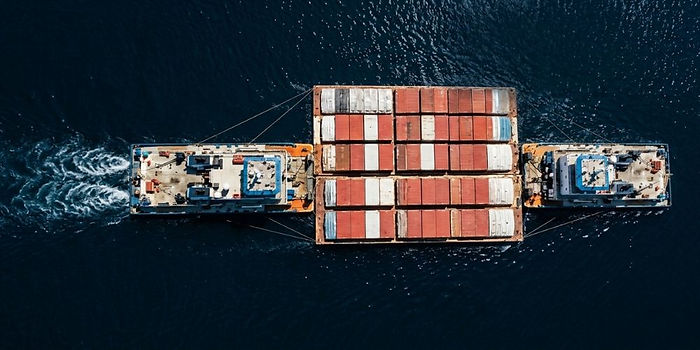
Fluvial navigation with barge convoys
-
Transportation via push tugs
-
Maritime traffic in the River Plate Estuary (Zona Común - Zona Alpha - Zona de Servicios)
-
Port operations connecting the fluvial system to global trade.
Fluvial and Maritime Operational Model: Connecting the Hidrovía to the Atlantic
Our system is understood through three operational levels that link inland navigation with global maritime commerce:
Level 1 – The Three Strategic Corridors (Fluvial System)
-
Paraná–Paraguay Waterway (Hidrovía): The primary inland artery for barge convoys and regional cargo across Bolivia, Paraguay, and Argentina.
-
Uruguay River: A vital logistics channel connecting industrial ports in Argentina and Uruguay for coordinated trade.
-
River Plate (Río de la Plata) – Maritime Interface: The gateway where fluvial systems integrate with deep-sea traffic and ocean-going vessels.
-
STS Operations & Offshore Hubs: Within the River Plate system, we coordinate services across key strategic zones:
-
Zona Común (Argentina): The region’s main hub for STS bunkering, cargo transfers, and Paraná River entry.
-
Zona Alpha (Uruguay): Deep-water anchorage supporting large ocean vessels and maritime coordination.
-
Zona de Servicios: Specialized areas for bunkering, lubricant supply, and technical maritime support.
-
Level 2 – Regional Integration & Strategic Hubs
Regional Integration & Strategic Hubs
Regional Hub (Kenport as Integrator) In this multi-country environment, Grupo Kenport acts as the Regional Integrator, coordinating a network of local physical suppliers and managing:
Multi-port logistics and bunker fuel/lubricant availability.
Documentary management and regulatory compliance.
Operational continuity across multiple jurisdictions.
This integrated model ensures operational continuity, technical reliability, and efficient supply coordination across the entire river-to-ocean logistics chain.
Level 3 – Global Connection & International Trade
We manage the vital interface where inland fluvial barge convoys meet ocean-going vessels (Open-Sea Vessels). By coordinating River Plate Estuary transits, we enable seamless transshipment and bunkering between South America’s productive heart and global trade routes.
Our Integrated Network
-
South Atlantic Maritime Routes: Access to offshore operations and deep-water ports, including Buenos Aires, Montevideo, and Bahía Blanca.
-
Strategic Fuel Logistics: Coordination with international traders and physical suppliers for consistent bunker fuel availability.
-
Global Shipping Support: specialized services for ocean-going fleets connecting South America to international markets.
-
Multimodal Supply Chains: Seamlessly linking inland production hubs with export terminals and global distribution networks.